
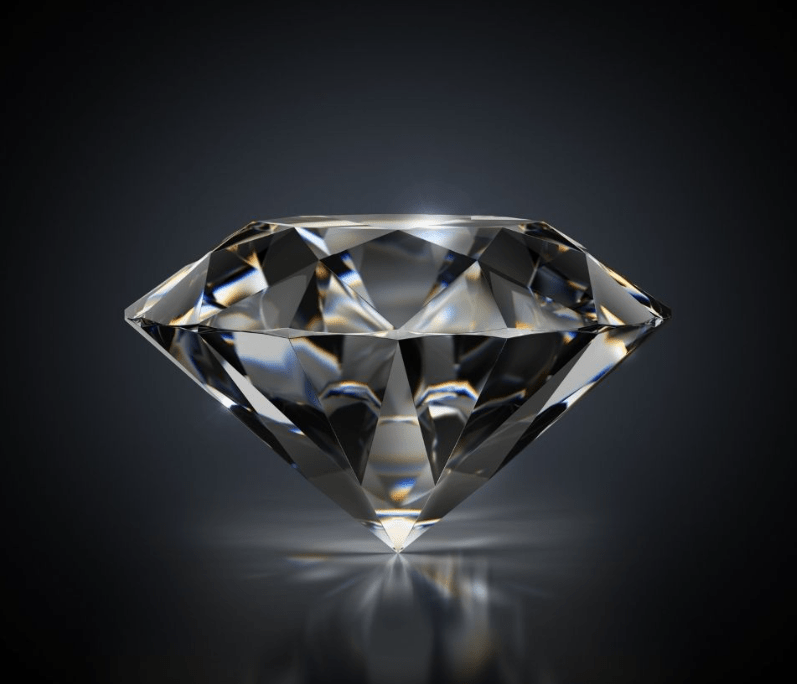
For more than a century, the diamond industry has been dominated by mined stones extracted from deep within the Earth. But over the past decade, a major shift has been unfolding. Lab-grown diamonds—chemically and visually identical to their mined counterparts—are rapidly transforming how consumers buy, jewelers sell, and the industry defines value. What began as a niche alternative is now a disruption the traditional diamond market can’t ignore.
What Are Lab-Grown Diamonds?
Lab-grown diamonds are real diamonds created through advanced technology that replicates the natural formation process. Using High Pressure High Temperature (HPHT) or Chemical Vapor Deposition (CVD), scientists form diamonds with the same physical, chemical, and optical properties as mined stones. They’re not simulants like cubic zirconia or moissanite—they’re genuine diamonds grown in a controlled environment.
Price Disruption
One of the biggest shake-ups comes down to cost. Lab-grown diamonds often sell for 30–70% less than natural diamonds of similar quality. That price difference has forced traditional retailers and diamond suppliers to re-evaluate their markup strategies and inventory. Consumers who once settled for smaller stones or lower clarity are now opting for larger, higher-grade lab-created diamonds for the same budget.
Changing Consumer Preferences
Millennials and Gen Z buyers are prioritizing value, sustainability, and transparency. Many see no reason to pay a premium for mined diamonds when lab-grown stones offer:
- Greater affordability
- Full traceability
- No mining impact
- Identical appearance and quality
As engagement ring shopping trends evolve, retailers are increasingly compelled to offer lab-grown options or risk losing market share.
Environmental and Ethical Advantages
The environmental footprint of traditional mining—land disruption, energy use, and ethical labor concerns—has come under public scrutiny. Lab-grown diamonds present an appealing alternative with:
- Far less land and water use
- No excavation or habitat destruction
- No association with conflict zones
While energy consumption is still part of lab production, many manufacturers now use renewable power, appealing to eco-conscious buyers.
Retailers Shifting Strategy
Luxury and mainstream jewelers alike are adapting. Brands such as Pandora, Brilliant Earth, and even major mall retailers now sell lab-grown diamonds. Some legacy brands initially resisted the shift but have since added lab-created lines to meet consumer demand.
Wholesalers and mining giants, including De Beers, have launched lab-grown collections to stay relevant—an acknowledgement that the market is changing faster than anticipated.
Impact on Natural Diamond Values
As lab-grown diamonds gain market share, natural diamonds are facing pressure on both pricing and perception. While some buyers still prefer the rarity and tradition of mined diamonds, others view mined stones as overpriced or outdated. Analysts predict further market segmentation, with lab-grown dominating everyday jewelry and engagement rings, while mined diamonds occupy the luxury and investment tier.
Technology Is Driving Innovation
Lab-grown production has rapidly improved in efficiency, quality, and scale. Better consistency in color and clarity, along with growing certification standards from institutions like GIA and IGI, have helped lab-grown diamonds gain credibility in the luxury space. Continued advances are expected to drive prices even lower and production capacity even higher.
Future Outlook
Lab-grown diamonds are no longer a fringe option—they’re reshaping consumer expectations and redefining the diamond industry’s future. With affordability, sustainability, and quality on their side, lab-created stones are taking over a growing share of the engagement ring and fine jewelry markets.
As technology advances and public perception continues to shift, the diamond industry is experiencing one of its most significant evolutions in decades. Lab-grown diamonds aren’t just an alternative—they’re a movement that’s changing how the world buys sparkle.


 ghostpulse
Leave a comment